
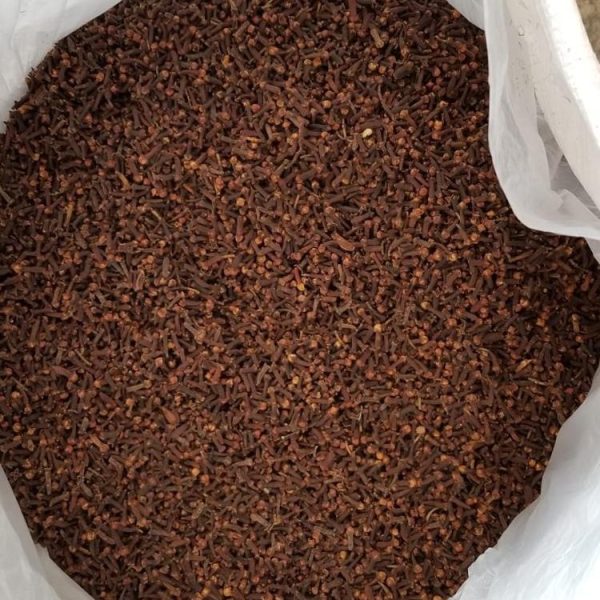
Cloves are the dried flower buds of the tree Syzygium aromaticum, a member of the myrtle family. They are one of the world’s oldest and most valued spices, used for both culinary and medicinal purposes for thousands of years.
Characteristics:
Appearance: Small, reddish-brown, nail-shaped buds (which is why their name comes from the Latin clavus, meaning “nail”).
Aroma: Strong, warm, and sweetly pungent with a hint of pepper and camphor.
Flavor: Intensely aromatic, slightly bitter, with a sweet-spicy warmth.
Uses:
Culinary:
Common in spice blends such as garam masala, Chinese five-spice, and pumpkin spice.
Used in savory dishes (curries, stews, marinades) and sweet dishes (baked goods, mulled wine, desserts).
Often paired with cinnamon, nutmeg, and cardamom.
Medicinal:
Traditionally used for digestive health, toothaches, and as an antimicrobial.
Clove oil (rich in eugenol) has analgesic and antiseptic properties.
Cultural & Symbolic:
In some traditions, cloves are burned as incense for purification.
Associated with protection and prosperity in folklore.
Interestingly, cloves resonate with the number 5 in symbolism: their five-pointed bud (when fully opened) mirrors the pentagon/pentagram motif, often linked to balance, health, and natural cycles.